Breast Shape Variations: An In-depth Exploration
Posted on [post_date] [post_comments] [post_edit]
What are the Different Types of Breasts?
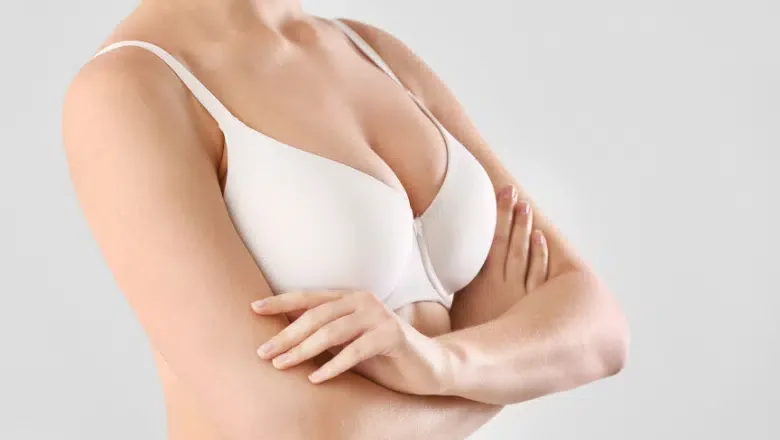
Breast shapes in women are influenced by a myriad of factors, each playing a role in the unique contours and sizes that are observed. These factors include genetics, which provides the initial blueprint for breast development, and body weight, which can alter the size and shape of the breasts. Additionally, age plays a significant role, as the breasts undergo various changes from puberty through to menopause, adapting to hormonal shifts that occur during these key life stages.
RELATED: How Ageing Influences Breast Shape and Size
Significant life events such as pregnancy and breastfeeding bring about noticeable changes in breast shape and size. During pregnancy, breasts typically enlarge and change shape to prepare for nursing, while breastfeeding can lead to further transformations. Moreover, as time passes, the natural force of gravity affects the breasts, leading to changes in their shape and position on the chest.
Lifestyle choices are also pivotal in determining breast shape. A balanced diet and regular exercise can impact overall body shape and, consequently, breast appearance. Conversely, habits such as smoking have been shown to affect skin elasticity, potentially influencing breast shape over time.
It’s crucial to acknowledge that there is a vast spectrum of what is considered ‘normal’ when it comes to breast shapes. The notion of a single ‘ideal’ or ‘normal’ breast shape is a misconception. Instead, the diversity in breast shapes is a reflection of the natural variation among individuals, emphasizing the uniqueness of each person’s body. This understanding encourages a more inclusive and accepting perspective towards body image, recognising the beauty in diversity without adhering to restrictive categorisations.
What Are the Different Breast Shapes?
Breast shapes are as varied as the individuals who have them, with no single shape considered the ‘standard’. Understanding these variations not only aids in recognising the natural diversity among women but also plays a crucial role in fields like plastic surgery and bra fitting. Here, we delve into the common categorisations based on appearance, shedding light on the uniqueness of each breast shape.
Often seen as the most familiar breast shape, the round or archetype breasts are characterized by their full and equally rounded appearance, with both the upper and lower portions of the breast having similar volume. This symmetry and balance often make it a sought-after shape in aesthetic breast surgery.
The teardrop or pear-shaped breasts are fuller at the bottom and taper towards the top, mirroring the silhouette of a teardrop or pear. This shape is particularly favoured for its aesthetically pleasing contour, making it a common request during breast enhancement procedures.
With age, after pregnancy, breastfeeding, or following significant weight loss, breasts may adopt a sagging or drooping appearance. This natural evolution is a reflection of life’s changes and the body’s response to them.
Tubular or conical breasts have a narrower base and a more cylindrical appearance, with the lower pole often less filled out. This distinct shape can present challenges in finding well-fitting bras but is a natural variation among breast shapes.
Similar to the teardrop but with a more pronounced taper towards the top, bell-shaped breasts are fuller at the bottom with nipples that may point downward. This shape is another variation that showcases the natural diversity of breast forms.
Close-set breasts have a minimal gap between them, positioned more towards the centre of the chest. In extreme cases, this can resemble symmastia, where the breasts touch each other at the midline, presenting unique considerations for bra fitting.
The opposite of close-set, side-set or wide-gap breasts have a significant space between them, often with nipples pointing outward. This spacing is a natural variation and can influence lingerie choices to ensure comfort and support.
Characterized by a more streamlined shape with less fullness and more muscle, slender or athletic breasts are often associated with an athletic build. This shape reflects the impact of physical activity and muscle development on breast appearance.
Asymmetric breasts, where one breast differs in size or shape from the other, sometimes by as much as a cup size, are a common phenomenon. Over half of women experience some degree of asymmetry, highlighting it as a normal variation in breast shapes.
Swooping or ski slope breasts feature a gradual, gentle slope from the chest to the nipple without a prominent curve. This subtle shape can influence the choice of bras that aim to enhance or support the natural contour.
Breasts that point outward towards the sides, known as the East-West or outward-facing shape, create a wider set appearance. This orientation can influence the choice of bras and clothing to achieve a desired silhouette.
In discussions surrounding body image and beauty standards, the question of what constitutes a ‘normal’ breast shape often surfaces. However, the pursuit of defining normalcy in breast shapes is inherently flawed due to the extensive variety and unique characteristics inherent to each individual. No single breast shape can be universally classified as ‘normal’ because each person’s body is unique, and breasts vary widely in appearance due to a multitude of factors.
Breasts come in a myriad of shapes and sizes, influenced by genetics, hormonal changes, lifestyle factors, and life stages such as puberty, pregnancy, menopause, and ageing. These shapes include, but are not limited to, round, teardrop, asymmetric, tubular, east-west, bell-shaped, close-set, side-set, slender, swooping, and relaxed. Each shape has its own set of characteristics, and what is typical for one person may not be for another.
Moreover, the concept of a ‘normal’ breast shape overlooks the natural evolution of breasts over time. Factors such as ageing, gravity, weight fluctuations, pregnancy, and breastfeeding all contribute to changes in breast shape and size. For instance, pregnancy and breastfeeding can significantly alter the size and shape of breasts, and ageing can lead to changes in firmness and position.
Lifestyle choices such as diet, exercise, and smoking habits also play a role in shaping the breasts. A balanced diet and regular exercise can influence overall body shape and, consequently, breast appearance, while smoking has been shown to affect skin elasticity, potentially altering the shape of breasts over time.
The diversity of breast shapes and the impossibility of fitting everyone into a single category highlight the unrealistic nature of seeking a ‘normal’ breast shape. Recognizing and accepting this diversity is crucial in fostering a positive body image and self-acceptance. Instead of striving for an arbitrary standard of normalcy, the focus should be on understanding and embracing the natural variations in breast shapes. This approach promotes a healthier and more inclusive perspective on body image, where differences are celebrated rather than critiqued.
Is There a Perfect Breast Shape?
The notion of a “perfect” breast shape is a concept mired in subjectivity and the ever-changing landscape of beauty standards. Across different cultures and historical periods, what is considered attractive or desirable in breast shape has varied significantly, underscoring the impossibility of defining a universal ideal. This diversity in aesthetic preferences highlights the subjective nature of beauty, where what appeals to one person or society may not resonate with another.
RELATED: What Do Perfect Breasts Look Like?
Historically, cultural ideals around breast shape have shifted dramatically. What was celebrated as the epitome of beauty in one era could be viewed differently in another, reflecting the fluidity of beauty standards over time. These changes are influenced by a myriad of factors, including societal norms, media representations, and shifting cultural values.
In recent years, there has been a significant and positive shift away from rigid beauty standards and the notion of an ‘ideal’ breast shape. Contemporary society is increasingly embracing diversity and recognizing that beauty comes in a multitude of forms. This change is part of a broader movement towards body positivity, which encourages individuals to appreciate and embrace their unique characteristics. The emphasis is on self-acceptance and well-being, rather than conforming to external ideals of beauty.
This evolving perspective acknowledges that the concept of a “perfect” breast shape is not only unrealistic but also detrimental to individual self-esteem and body image. Instead, the focus is shifting towards celebrating individuality and promoting a healthy and positive relationship with one’s body. Recognizing that beauty can manifest in various shapes and forms is crucial in fostering a more inclusive and accepting society.
Is There a Perfect Breast Size?
Just as the concept of a perfect breast shape is a myth, so too is the idea of a perfect breast size. The diversity in human bodies means that there is no one-size-fits-all answer to what constitutes the ideal breast size. Every individual’s body is unique, with its own proportions, characteristics, and aesthetic qualities. This inherent variation makes the notion of a universally perfect breast size both unrealistic and unattainable.
RELATED: C Cup Boobs – Getting the Perfect Breast Augmentation
The idea of a perfect size is often influenced by societal pressures, media portrayals, and cultural standards, which can vary greatly from one context to another. These influences can lead to unrealistic expectations and pressure to conform to specific ideals, which do not reflect the natural diversity of human bodies.
Moreover, personal comfort, health, and well-being are far more important considerations than adhering to any external standards of beauty. For some, larger breasts may cause physical discomfort or health issues, such as back pain, making the idea of a ‘perfect’ size impractical and undesirable. Conversely, others may feel that their breast size impacts their self-confidence or how they wish to present themselves, leading them to seek changes through clothing choices, bra fittings, or even surgery for personal reasons rather than societal expectations.
It’s essential to shift the focus from striving for an idealized breast size to promoting body positivity and self-acceptance. Encouraging individuals to embrace their natural body shape and size fosters a healthier body image and self-esteem. Celebrating diversity and recognizing that beauty comes in all shapes and sizes is key to challenging and changing narrow beauty standards.
Understanding the Diversity of Breast Shapes: Influences Beyond Genetics
When it comes to the variety of breast shapes, genetics is the primary architect. Just as with any other physical trait, the DNA we inherit from our parents plays a crucial role in determining the size and shape of our breasts. However, genetics isn’t the only factor at play. Various life events and lifestyle choices can significantly impact breast appearance, leading to changes that may result in a range of breast shapes.
Body weight significantly influences breast tissue volume and shape. Breasts are composed of both glandular tissue and fat. Therefore, changes in body weight can lead to noticeable alterations in breast size and form. Gaining weight often results in larger breasts due to the increase in fat deposits, whereas losing weight can reduce breast size and potentially alter their shape.
Regular physical activity can shape not only your overall physique but also the appearance of your breasts. An athletic build, characterised by lower body fat, may result in firmer breasts with less fat content. This can affect breast shape and firmness, often leading to a more toned appearance but possibly smaller breast size due to reduced fat deposits.
As we age, our bodies undergo various changes, and the breasts are no exception. The natural ageing process, combined with the effects of gravity, often leads to breasts sagging and drooping. Over time, the body’s production of fat tissue and collagen diminishes, which means the skin and connective tissues in the breasts have less support. This gradual loss of structural integrity can lead to a change in breast shape, with many women noticing a downward shift in their breasts’ position over the years.
Pregnancy and breastfeeding are significant milestones that can also alter breast shape. During pregnancy, hormonal changes prepare the body for breastfeeding, often causing the breasts to swell and change in shape. This swelling can redistribute fat and breast tissue, leading to temporary or permanent changes in breast appearance. After breastfeeding, some women find that their breasts do not return to their pre-pregnancy shape or size. While this is a completely normal experience, it’s also a reason why some new mothers consider cosmetic surgery to regain their former breast appearance.
Understanding the Motivations Behind Breast Surgery
Despite the absence of a universally perfect breast size or shape, breast surgery remains the most prevalent form of cosmetic surgery in the UK, with thousands of women opting for such procedures annually. The reasons behind the decision to undergo breast surgery are multifaceted, encompassing cosmetic, medical, reconstructive, and psychological motivations, each aimed at enhancing personal well-being and self-confidence.
A significant driver behind breast surgery is the desire to boost self-esteem and well-being. Many individuals seek to feel more satisfied with their appearance, and breast surgery can play a crucial role in achieving this enhanced sense of self-confidence.
For those unhappy with their breast size or shape, cosmetic breast surgery offers a pathway to achieving their desired appearance. Consultations with surgical experts at Centre for Surgery provide personalised advice and options tailored to individual goals and needs.
What are the Most Popular Breast Shapes People Choose for Breast Surgery?
When it comes to breast surgery, individuals often have specific aesthetic goals in mind, aiming to enhance their appearance while ensuring that the results look as natural as possible. The most commonly desired outcome in cosmetic breast surgery involves achieving or restoring a full and round breast shape. This goal can be pursued through various procedures, including breast augmentation, lifts, and reductions. However, the quest for the ideal breast shape extends beyond just the full and round appearance, incorporating several key characteristics that reflect the patient’s desire for a look that feels both authentic and harmonious with their body.
A paramount objective for many undergoing breast surgery is attaining a natural and proportionate look. This involves creating balanced sizes and shapes that seamlessly blend with the patient’s existing figure, enhancing their overall appearance without seeming artificial. Surgeons work closely with patients to understand their body type and aesthetic goals, ensuring that the outcome complements their natural physique and enhances their body’s symmetry.
RELATED: Fake Boobs vs Real Boobs – How Can You Tell The Difference?
Symmetry is another critical goal, especially given that many individuals start with slight asymmetries that can become more pronounced over time due to natural aging, weight fluctuations, or pregnancy. Correcting these asymmetries through surgery can significantly improve the aesthetic harmony of the breasts, contributing to a more balanced and visually appealing silhouette.
The importance of personalised outcomes cannot be overstated. Recognizing that each patient has unique body shapes, motivations, and preferences, the approach to breast surgery is far from a one-size-fits-all solution. Surgeons strive to tailor their techniques to meet the specific desires and expectations of each individual, ensuring that the results align with their personal vision for their body.
A youthful and rejuvenated appearance is also a commonly sought-after result. Procedures such as breast lifts are designed to counteract the effects of gravity and ageing, lifting the breasts to a higher, more youthful position. This can significantly rejuvenate the overall appearance of the chest, making the breasts look firmer and more vibrant.
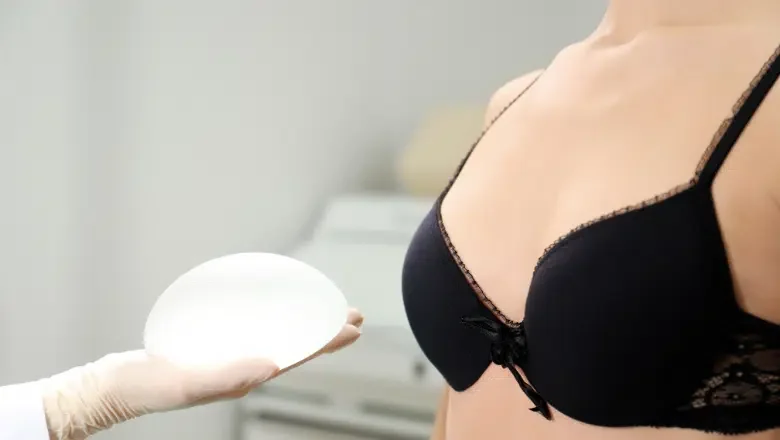
As surgical techniques and technology have advanced, preferences for breast shapes have also evolved. The natural slope and teardrop shapes have gained popularity among patients seeking subtler, more refined enhancements. These shapes mimic the natural contour of the breast, offering a gentle slope and fuller bottom reminiscent of a teardrop. The incorporation of fat transfer techniques has further enabled surgeons to achieve these highly sought-after natural and subtle outcomes, providing a soft, realistic feel and appearance that many desire.
Restoring Balance and Confidence: The Role of Cosmetic Breast Surgery
For many women, the shape and symmetry of their breasts play a significant role in their overall body image and confidence. Recognizing that over half of the female population experiences some degree of breast asymmetry, Centre for Surgery offers a compassionate and expert approach to those seeking to alter their breast shape for a more balanced appearance.
Breast asymmetry, where one breast is noticeably different in size or shape from the other, is a common concern. While minor differences are often considered normal and may not necessitate intervention, significant disparities—such as a full cup size difference—can pose challenges in finding comfortable, well-fitting bras and clothing, not to mention the impact on self-esteem. In such instances, breast augmentation or enlargement can provide a solution. By carefully selecting and placing implants, surgeons can achieve a more symmetrical look, ensuring both breasts are harmonious in size and contour. This procedure is tailored to the individual’s anatomy and aesthetic goals, ensuring results that enhance both appearance and confidence.
Sagging breasts, which may point downwards due to factors like aging, pregnancy, or weight fluctuations, can also be a source of concern for many. A breast lift, or mastopexy, offers a transformative solution. This surgical procedure elevates the breasts, repositioning them for a firmer, more youthful appearance. By reshaping the breast tissue and removing excess skin, surgeons can restore a more lifted and contoured profile, often significantly boosting the individual’s body image and self-confidence.
Understanding that each woman’s concerns and aspirations are unique, Centre for Surgery emphasises the importance of personalized consultation. Engaging with a specialist provides an opportunity to explore various surgical options tailored to meet individual needs and preferences. Whether the goal is to correct asymmetry, lift sagging breasts, or simply achieve a shape that feels more natural and balanced, expert guidance ensures that each patient receives the best possible advice and care.
Cosmetic Breast Surgery in London: Discover the Excellence at Centre for Surgery
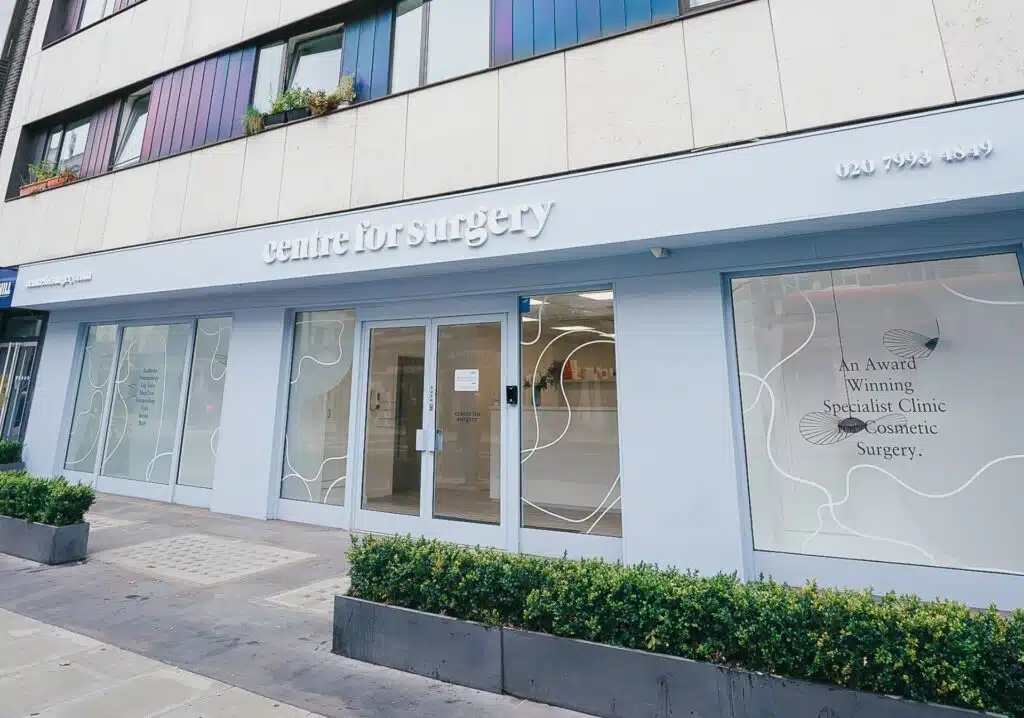
At Centre for Surgery, we stand at the forefront of cosmetic breast surgery, offering a blend of unparalleled expertise, compassionate care, and state-of-the-art facilities. Our clinic, nestled in the heart of London at our prestigious Baker Street location, is a beacon for individuals seeking to enhance their appearance and confidence through breast surgery. With a patient-centric approach, we tailor every procedure to match the unique needs and aspirations of our clients, ensuring outcomes that not only meet but exceed expectations.
Our dedicated team of specialists brings together years of experience, advanced surgical techniques, and a deep commitment to achieving natural, harmonious results. At Centre for Surgery, we understand the importance of your decision to undergo cosmetic breast surgery, which is why we offer comprehensive support throughout your journey – from initial consultation to post-operative care.
“My experience at Centre for Surgery was nothing short of exceptional. From the moment I walked into their Baker Street clinic, I felt supported and understood. The results of my breast augmentation have transformed not just my appearance, but my confidence too. I couldn’t be happier with the outcome.” – Emily R.
“After years of feeling self-conscious about my asymmetrical breasts, I finally decided to seek help. The team at Centre for Surgery provided me with detailed information, options, and genuine care. Post-surgery, I finally feel balanced and more confident in my skin. A heartfelt thank you to the entire staff!” – Sophie T.
“Choosing to have a breast lift at Centre for Surgery was one of the best decisions I’ve made. The care I received was top-notch, and the results are incredible. My breasts look youthful, and I feel rejuvenated. Highly recommend this clinic to anyone considering cosmetic breast surgery.” – Laura G.
We believe that everyone deserves access to high-quality cosmetic surgery. That’s why we offer a range of finance options, including 0% APR with Chrysalis Finance, making it easier for our patients to achieve their desired outcomes without financial strain. For more detailed information about our services, financing plans, and to read more patient testimonials, we invite you to visit our About Us page: Centre for Surgery – About Us.
For those considering cosmetic breast surgery or seeking further information, our plastic surgery blog and FAQ section offer a wealth of knowledge and insights. From detailed guides on different procedures to answers to common questions, these resources are designed to help you make informed decisions about your care.
Our Baker Street clinic in London is not just a facility; it’s a place where transformation begins. To discover how we can help you achieve your aesthetic goals and for a personalised consultation:
Choosing Centre for Surgery for your cosmetic breast surgery in London means opting for excellence, personalised care, and results that celebrate your individual beauty. Contact us today to book your consultation and take the first step towards the confidence you deserve.
If you have a question about a treatment, or you would like to find out more about how we can help you, call us on 0207 993 4849 or fill in the form below and one of our patient care coordinators will contact you to book a consultation with a specialist practitioner
Subscribe to our newsletter for the latest updates and special offers
To continue, please confirm you have read and understood our Privacy Policy
Send
PLEASE NOTE: we may not be able to process your enquiry without a valid mobile number.
Filed Under: Breast Surgery
Share this post
Primary Sidebar
I agree to receive marketing communications from Centre for Surgery (more information)
I agree to receive marketing communications from Centre for Surgery (more information)
Centre for Surgery, located in London, UK, is at the forefront of plastic and cosmetic surgery. As a specialist private hospital, we offer a full range of procedures like rhinoplasty, eyelid surgery, facelift surgery, and a full range of breast surgeries, including breast augmentation, breast lift, and breast reduction. We also offer gynecomastia surgery for men, liposuction, tummy tuck procedures, Brazilian Butt Lift (BBL), mummy makeover, and labiaplasty. Our dedication to excellence stems from our commitment to working with top-tier medical professionals and employing proven techniques.
Our state-of-the-art private hospital is located on the iconic Baker Street in central London. Call us today to book an in-person consultation.
95-97 Baker Street
Marylebone
London
W1U 6RN
0207 993 4849 | 9am – 6pm Mon – Sat